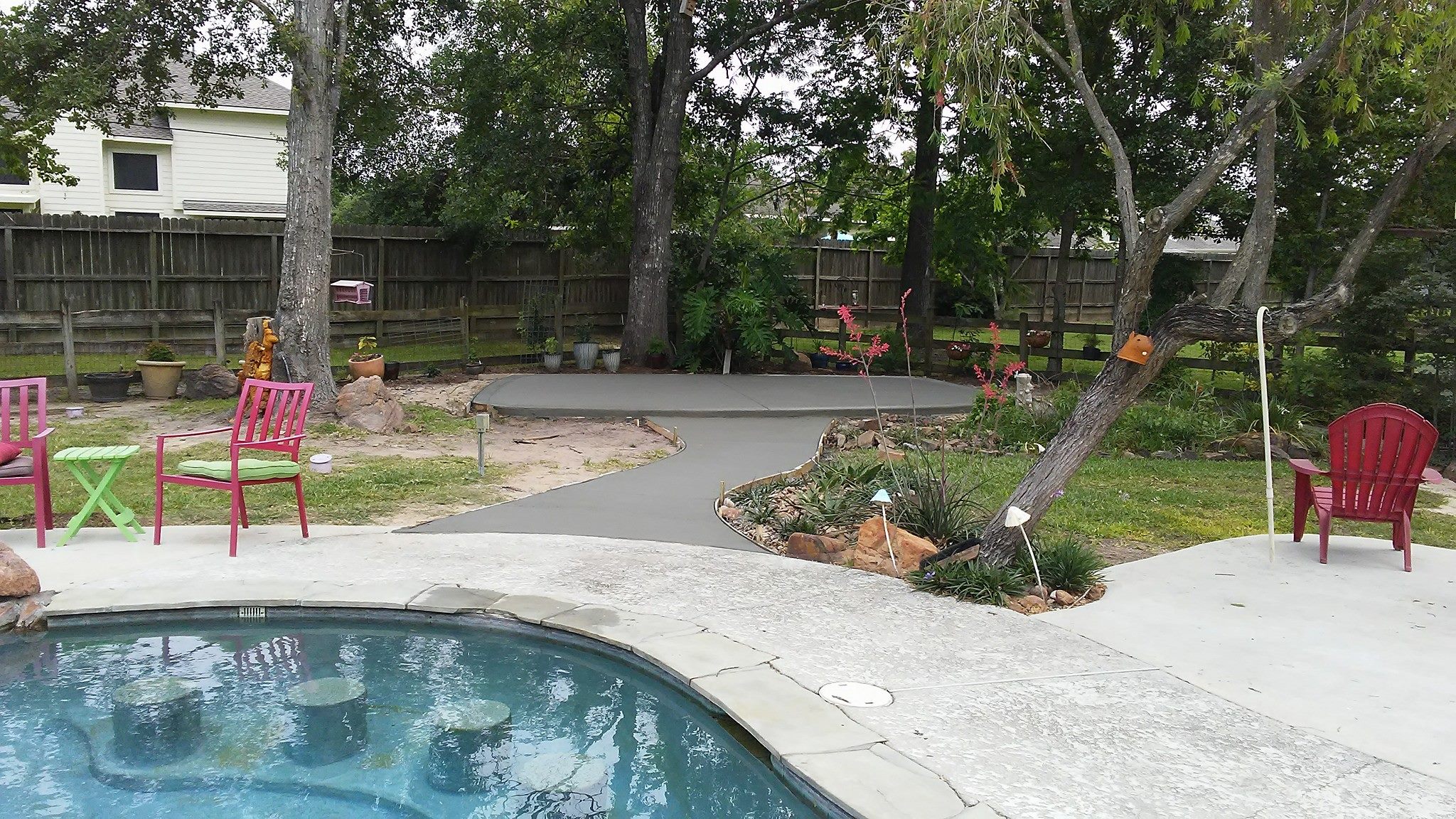
Sustainable Concrete Designs: Balancing Beauty with Ecological Responsibility Mar 26, 2026
In recent years, sustainable concrete designs have gained significant attention. Concrete, a material often criticized for its environmental impact, can now be crafted sustainably, reducing its carbon footprint and enhancing energy efficiency. With increasing consumer demand for eco-friendly alternatives, Terracraft Concrete Design embraces innovative techniques to produce sustainable concrete that does not compromise on aesthetics or durability.
One of the primary methods to enhance sustainable concrete is by using supplementary materials. Fly ash, slag cement, and silica fume are industrial byproducts that can be incorporated into concrete mixtures. These materials not only enhance the strength and durability of the concrete but also reduce the dependency on Portland cement, known for its high carbon emissions. By supporting the use of such materials, we help conserve natural resources and reduce waste.
Moreover, Terracraft Concrete Design emphasizes using recycled and locally sourced aggregates. By incorporating recycled glass, plastic, and even demolished concrete, we significantly lower the carbon footprint associated with long-distance material transport and reduce landfill waste. Local sourcing not only supports the regional economy but also curtails emissions tied to transportation.
Water is another critical resource in concrete production. Sustainable approaches focus on reducing water usage without sacrificing performance. Advanced mix designs can minimize water demand, and water recycling systems help conserve this precious resource. These techniques ensure that every project is as eco-friendly as possible.
Adopting permeable concrete is another innovative solution promoted by Terracraft Concrete Design. Unlike traditional concrete, permeable concrete allows water to pass through into the ground, replenishing groundwater tables and reducing surface runoff. This feature is particularly beneficial for urban environments where flooding is a concern, offering an attractive and functional pavement option.
Besides the technical practices, aesthetic appeal remains a cornerstone of sustainable concrete designs. Decorative elements like staining, polishing, and textured finishes provide visually captivating effects while keeping the ecological footprint minimal. The adaptability of concrete allows for these enhancements without the need for additional materials that might impact sustainability.
For consumers, the shift to sustainable concrete designs not only offers an opportunity to reduce environmental impact but also ensures lasting value. Durable and low-maintenance surfaces decrease the frequency of repairs and replacements, ultimately conserving resources and reducing long-term costs. With increased awareness and options, homeowners and developers can make smarter choices that reflect both style and sustainability.
As we look to the future, the integration of technology in sustainable concrete solutions will likely expand. Digital tools and data analytics can optimize designs, predict performance outcomes, and track sustainability goals, further aligning aesthetic aspirations with ecological accountability.
In conclusion, sustainable concrete designs from companies like Terracraft Concrete Design are setting new standards in the industry. By utilizing innovative materials, adopting efficient practices, and promoting intelligent design choices, we are paving a path forward where beauty and ecological responsibility go hand in hand. Whether you are embarking on a new project or looking to revamp an existing space, consider the value and impact of choosing sustainable concrete solutions. Together, we can construct a more sustainable future, one beautiful concrete design at a time.
/filters:no_upscale()/filters:format(webp)/media/0ac4b930-787e-410c-9090-ea1d27de1bb8.jpeg)